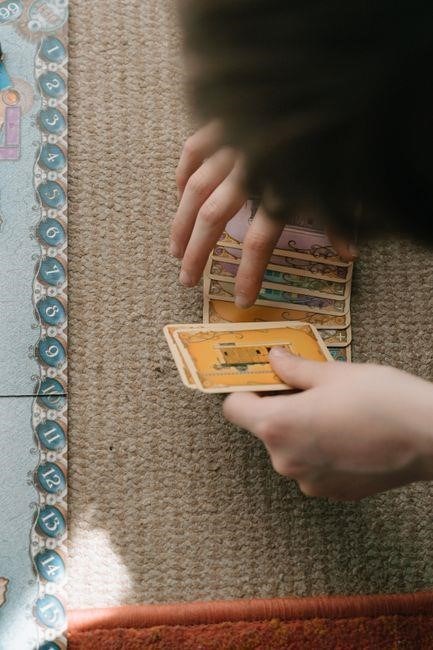
Overview of Trash Card Game Rules PDF
Published by ActivityConnection.com, the Trash Card Game PDF (https://alzda.ca/wp-content/uploads/2024/05/4-Trash-Card-Game.pdf) offers a quick, luck‑heavy card challenge. Players learn rules in five minutes, aiming to discard cards strategically while enjoying a playful waste‑themed twist. Enjoy now!
Source and Publication Details
The PDF was released by ActivityConnection.com, a publisher known for engaging card‑game guides that blend humor with simple mechanics. The document, titled “Game-Jun24-TrashCardGame.indd,” was published on May 9, 2024, at 18:22:07 GMT, and is available as a free download on the company’s website. The layout follows a clean, three page design: the first page introduces the theme and objectives, the second page details the gameplay rules and card interactions, and the third page offers scoring guidelines and endgame procedures. The file size is, making it easy to share via email or cloud services. Users can print the PDF or view it on tablets, ensuring accessibility. The design emphasizes quick learning, with bullet points and icons that help players grasp concepts within minutes. The publisher’s copyright notice appears on every page, protecting intellectual property while encouraging widespread use for educational and recreational purposes .
Key Takeaways from the PDF
Quick‑Start Design: The PDF is engineered for play, with a rule sheet that can be absorbed in under five minutes. The layout uses bold headings, icons, and numbered steps to guide new players through setup, turn actions, and scoring without confusion.
Luck‑Dominated Mechanics: Players can strategize, but the core of Trash Card Game revolves around chance. Card draws, discard piles, and the trash theme create a high‑variance environment where luck dictates outcomes more than skill.
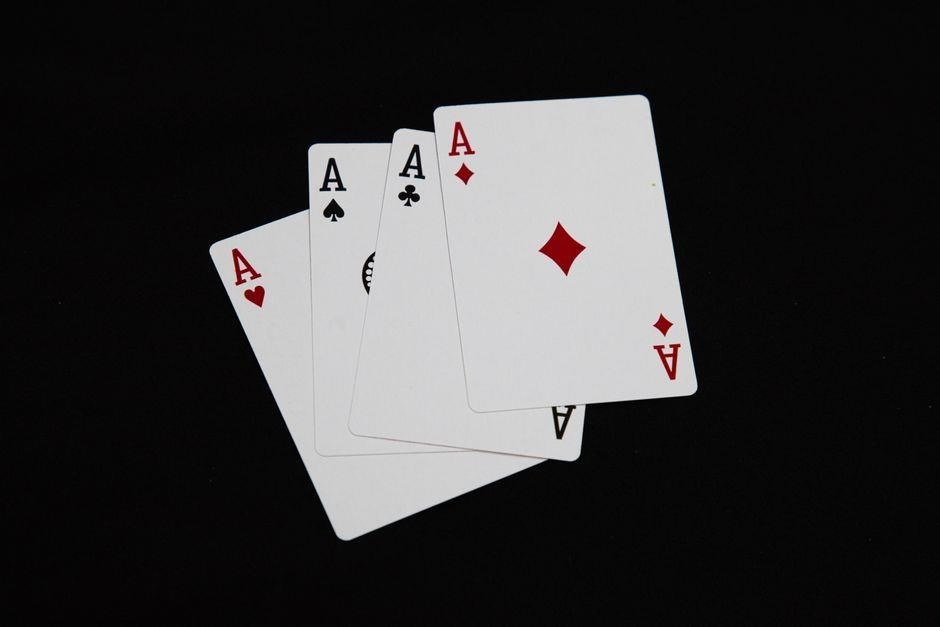
Simple Component List: The game requires a standard 52‑card deck and a small scoring sheet. No additional tokens or complex equipment are needed, making it portable and ideal for casual gatherings.
Thematic Flavor: The trash motif is woven into card names and artwork, giving the game a lighthearted, eco‑friendly vibe that appeals to families and party settings. It also encourages teamwork.!!!
Scoring System: Points are earned by discarding specific card combinations, with bonus points for completing trash piles. The PDF outlines clear thresholds for victory and provides a quick reference for end‑game calculations.
End‑Game Flow: The game concludes when a player reaches a predetermined point total or when the deck is exhausted. The PDF offers a concise wrap‑up procedure to tally scores and declare the winner.
Accessibility: The PDF’s high‑contrast text and large fonts ensure readability for all ages. It can be printed or viewed on mobile devices, allowing flexible play in various settings.
Game Setup and Components
The PDF lists a standard 52‑card deck and a scoring sheet. Players shuffle, deal five cards each, and place the remaining deck face‑down as the draw pile. A trash pile sits in the center for discards. All components are ready in minutes, ensuring a swift start. Fun!
Required Cards and Deck
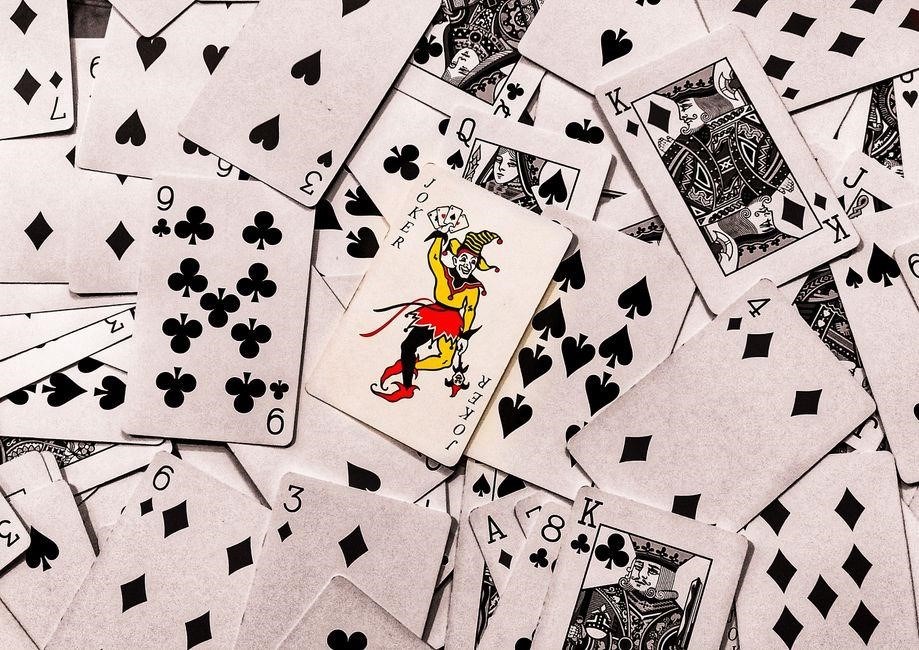
According to the official PDF, the Trash Card Game uses a standard 52‑card deck with no jokers. Each player receives five cards at the start, and the remaining cards form a draw pile. The deck is shuffled thoroughly before play. Players may use any regular playing cards, but the game’s theme encourages using a deck that includes “trash” themed illustrations if available. The PDF also recommends a scoring sheet or a simple tally system, which can be printed or written on a notepad. The game requires no additional accessories beyond the deck and a flat surface for the trash pile. Players should ensure the deck is shuffled evenly to maintain fairness, as the game’s outcome relies heavily on luck and quick decision making. The setup is designed to be completed in under five minutes, making it ideal for casual gatherings or quick breaks. By following the PDF’s instructions, players can enjoy a fast, engaging card game that turns ordinary cards into a playful waste‑themed challenge. A scorecard helps track points, and a tally of discarded cards can determine the winner if the game ends in a tie. This addition keeps the game lively and competitive, encouraging quick thinking and friendly rivalry daily. Players who enjoy a deeper strategic layer, the PDF suggests a variant where each player starts with a hand of seven cards instead of five, and the discard pile is replaced by a waste bin that can be replenished by drawing from a separate waste deck, adding management anticipation to game’s flow!!
Table Layout and Player Positions
According to the PDF, Trash Card Game is designed to be quick, casual, and simple to set up for everyone. Players sit around a table, with the discard pile as a “trash bin.” and everyone can see the pile. The draw pile is placed to the left of the discard pile so that all players can easily reach it. The scoring sheet or tally board is positioned at the top of the table, visible to all participants, allowing everyone to track points in real time. The PDF recommends a 3‑by‑3 grid for the discard pile if the table is small, ensuring that the trash pile does not block the view of the draw pile. Players should be seated so that each has an unobstructed view of the center area, which keeps the game flow smooth and prevents accidental card spills. The game’s quick‑start nature means that the table layout can be set up in under a minute, making it ideal for family game nights or office breaks. Each player’s position is fixed for the duration of the game, preventing mid‑game movement that could disrupt the flow. The PDF also suggests using a small plastic or paper “trash bin” to hold discarded cards, which keeps the center area tidy and visually reinforces the theme. If the number of players exceeds four, the PDF recommends rotating the seating order after each round to balance advantage. By following these simple layout guidelines, players can focus on the luck‑driven gameplay without worrying about spatial constraints or confusion over where to place cards. The layout is simple, with the discard pile in the center and the draw pile to the left. in a grid!
Gameplay Mechanics
Players draw from the draw pile, then discard matching rank or suit to the trash pile. Turn ends when a player discards all cards. If draw pile empties, reshuffle discard into new draw. The game relies on luck, with minimal strategy, making it fast and fun for all ages. Fun
Turn Sequence and Actions
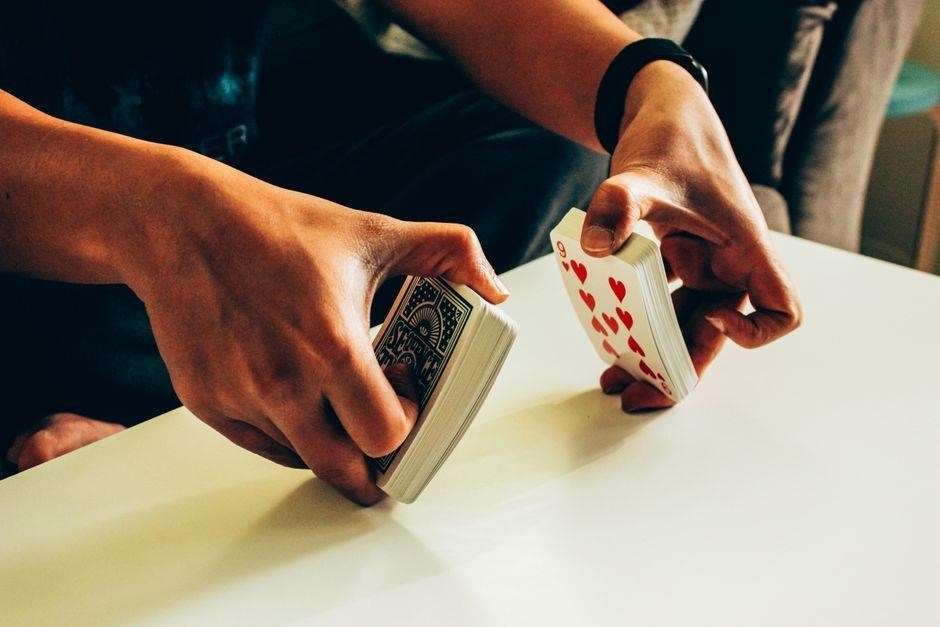
Each round starts with the dealer shuffling the deck and dealing five cards to each player. The remaining cards form the draw pile, and the top card starts the discard pile in the center. Play proceeds clockwise, beginning with the dealer’s left.
- Draw: The active player draws one card from the draw pile. If the pile is empty, shuffle the discard pile to replenish it.
- Play: The player may discard one card that matches the rank or suit of the discard pile’s top card. If no match, the player passes this phase.
- Discard: The player must discard one card from their hand onto the discard pile, regardless of match.
- End: The turn ends, and play passes to the next player.
Players may hold multiple matching cards; they can choose which to play. If a player cannot play, they must pass the play phase but still discard one card. The discard pile’s top card always determines the next player’s options.
The game’s brevity makes it ideal for quick sessions, and the random draw ensures that each round feels fresh. Players often find themselves laughing as cards are unexpectedly matched or discarded. When a player discards all cards, they win the round. If the draw pile is exhausted before a winner, the game ends in a draw and a new round begins. Enjoy! :)!
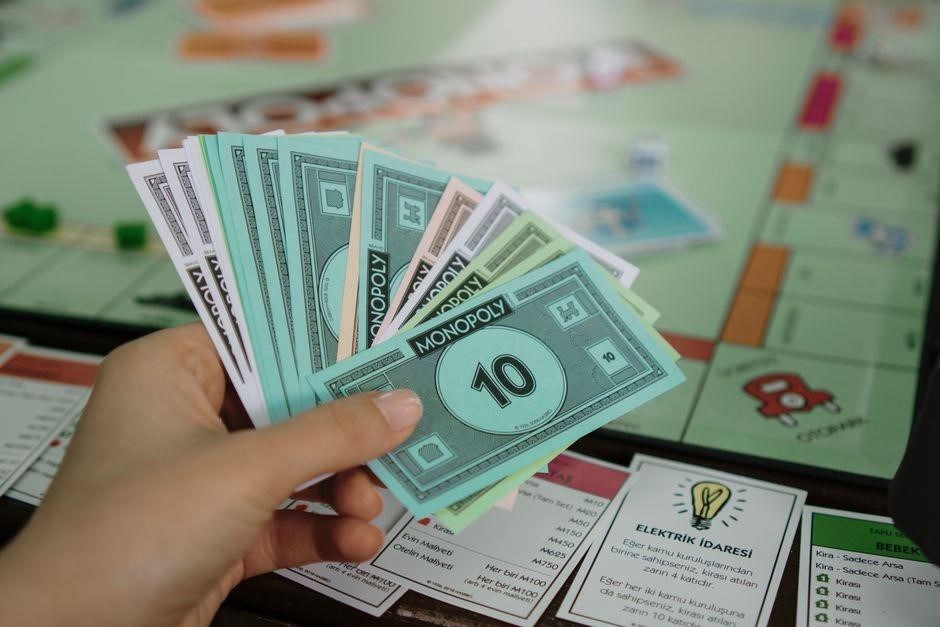
Interaction Between Players
In Trash Card Game, social dynamics are as vital as the luck of the draw. Players constantly monitor the discard pile, anticipating the next match and adjusting their hand accordingly. When a player discards a high‑value card, others may choose to play a matching low‑value card to keep the pile open, or hold onto a powerful card for a future turn. The game encourages playful banter, as players tease each other about “trash” or “clean” strategies. Because the rules allow only one discard per turn, players often use the moment to read opponents’ intentions, guessing whether they are about to win or are forced to hold onto a card. This subtle psychological layer adds depth: a player might deliberately discard a card that forces a rival’s next move, or they might keep a card that could block an opponent’s next turn. The quick pace keeps interactions lively, and the shared laughter over mishaps—such as a mis‑matched card—creates a relaxed atmosphere. The game’s design ensures that even casual players feel engaged, as every discard can shift the balance of power. Thus, interaction is not just a side effect but a core element that makes Trash Card Game a memorable, social experience. Players often find themselves laughing at the absurdity of a single card deciding the outcome, turning each round into a light celebration of chance and camaraderie and the game’s simple rules allow even the most casual participant to feel part of a shared joy ritual that celebrates the everyday act of discard.!!!!
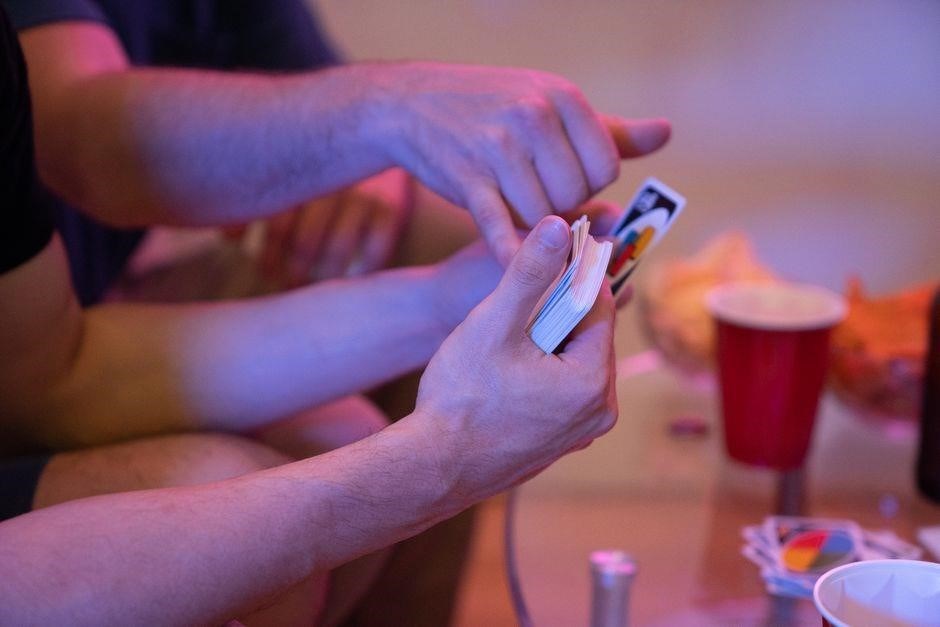
Winning Conditions and Scoring
Victory is achieved when a player discards all cards, or when the deck is exhausted and the lowest remaining hand wins. Scoring is simple: the winner receives a “trash” trophy, while losers may collect “clean” points for cards left. The game ends with laughter and a toast to luck. Mock award play! now
Victory Criteria
Victory in Trash Card Game is determined by two primary conditions that emphasize both speed and strategic discard. The first condition is the “complete discard” rule: a player who successfully discards all cards from their hand during their turn immediately wins the round. This requires careful timing, as players must match the top card’s suit or rank to play. The second condition activates when the draw pile is depleted. In this scenario, the player with the lowest total value of remaining cards in hand is declared the winner. Card values are assigned as follows: number cards carry their face value, face cards count as ten, and jokers are wild but carry a value of fifteen if left in hand. Players must track these values mentally, as the lowest margin can be a narrow margin. Both victory conditions are announced by the dealer, who declares the winner and awards the “Trash Champion” title. The game can be played in multiple rounds, with cumulative scoring based on the number of victories. This structure encourages players to balance aggressive discarding with defensive holding, ensuring that each round remains unpredictable and fun.
Players should also consider the impact of the discard pile’s size on strategy. A larger pile often means more opportunities to draw high‑value cards, while a smaller pile forces tighter play. The PDF advises keeping a mental tally of discarded suits to anticipate opponents’ options. This subtle awareness can shift the balance in a tight game. Keep it lively. Stay sharp, enjoy!!
End-of-Game Procedures
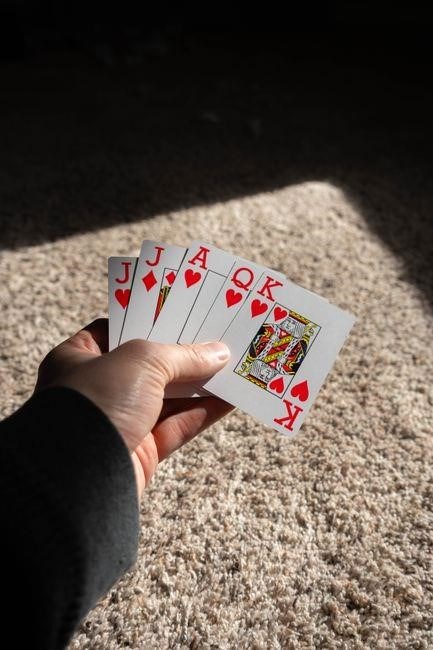
After a round concludes—either by a player discarding all cards or the draw pile exhausting—the dealer initiates the end‑of‑game protocol. First, all remaining cards are collected from the discard pile and shuffled to form a new draw deck. Players then count the total value of any cards left in hand; the lowest total becomes the round winner if no one has cleared their hand. The winner receives a “Trash Trophy” token, and the dealer records the score in the official tally sheet. Next, the dealer announces the next starting player, rotating clockwise to ensure fairness. If the game is set to multiple rounds, the dealer resets the discard pile, shuffles the deck, and deals a fresh hand to each participant. Finally, all players review the score sheet, confirm the cumulative points, and decide whether to continue or conclude the session. The PDF emphasizes a quick reset to maintain the game’s fast‑paced excitement. Players should also clear any stray cards from the table and verify that the deck is complete before starting the next round. This systematic approach guarantees consistency and fairness across all sessions, preserving the fun and competitive spirit of the Trash Card Game. In addition, the PDF recommends a quick shuffle of the entire deck after each round to avoid card bias, and suggests that players keep a tally of discarded suits to anticipate opponents’ potential plays, thereby adding a subtle layer of strategy to an otherwise luck‑driven game. Players note the game’s theme sparks friendly banter, making it popular at familyno gatherings!.
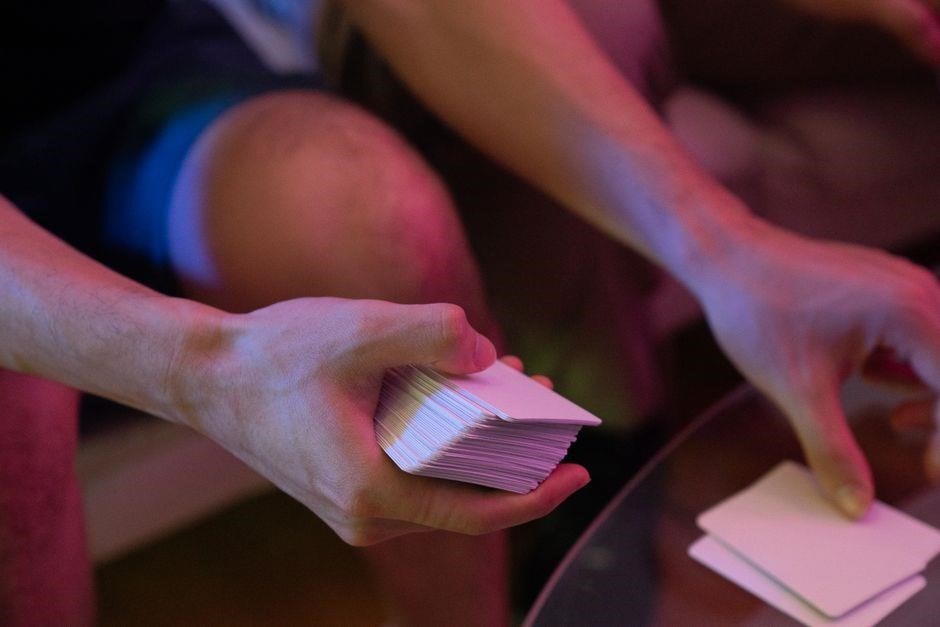
Strategy Tips and Common Mistakes
Focus on suit patterns, discard high‑value cards early, and keep a balanced hand. Avoid holding multiple cards of the same suit, which limits future plays. Remember the PDF notes luck dominates, so don’t over‑plan; instead, adapt to the draw pile’s flow. Track discard pile patterns to gain an edge now.
Probabilistic Play and Luck Management
In the Trash Card Game PDF, probability is a key element. Players should calculate the likelihood of drawing a card that matches the top of the discard pile, especially when the deck is nearly depleted. A common strategy is to hold onto high‑value cards until the discard pile’s top card is low, thereby increasing the chance of a match. Additionally, tracking the number of cards remaining in the deck allows players to estimate the odds of drawing a favorable card. Since the game is heavily reliant on luck, players should avoid over‑analysis and instead focus on quick, intuitive decisions. Managing expectations is crucial: if the deck is full, the probability of a match is roughly 1 in 4, but as the deck shrinks, the odds improve. Knowing when to discard a card that could be useful later versus when to keep it for a potential match is a subtle balance. Players can also use the “wild” card feature, if included, to force a match regardless of suit, which can dramatically shift the probability landscape. Finally, keeping a mental tally of the suits that have already appeared helps in predicting which suits are likely to surface next, thereby improving decision‑making under uncertainty. Moreover, observing opponents’ discard patterns can reveal hidden strengths, allowing you to anticipate when a high‑value card is likely to surface, thereby giving you a strategic edge in critical moments. Remember that PDF emphasizes a tone; strategic depth exists, primary goal is to enjoy waste‑the‑trash theme with friends and funagain!!!OK
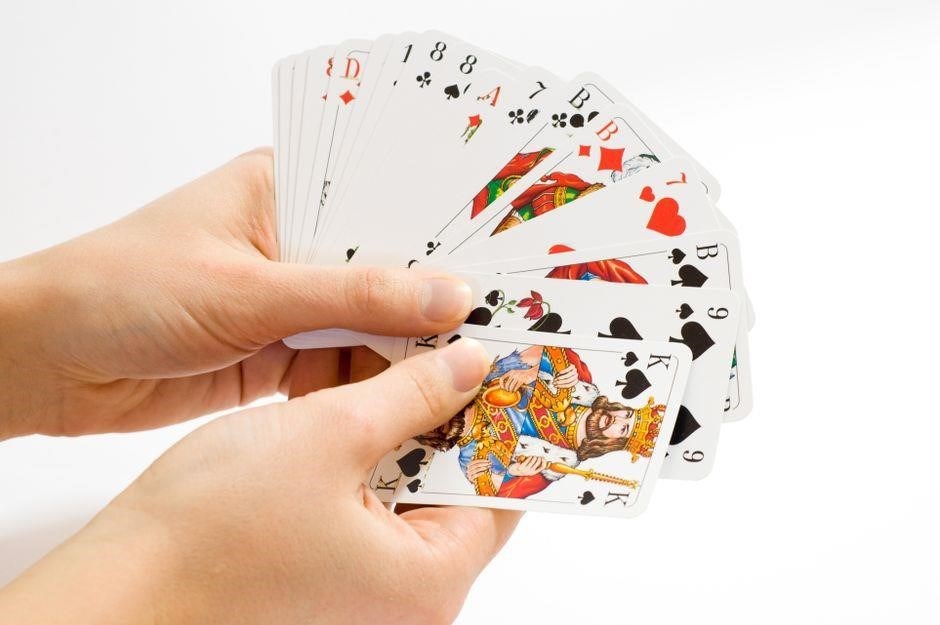
Avoiding Common Pitfalls
Players often stumble over a handful of predictable missteps that can turn a quick, fun session into a frustrating ordeal. First, don’t over‑analyze the deck. The PDF stresses that the game is largely luck‑driven; spending time calculating every possible outcome wastes valuable turns and erodes the enjoyment factor. Second, be careful with the “wild” or “trash” card rules. Misreading the PDF’s brief description can lead to accidental forfeits or illegal moves. Third, keep a mental or written record of the suits that have already appeared. Ignoring this simple tracking method can cause you to hold onto cards that are unlikely to match, thereby stalling your progress. Fourth, don’t neglect the discard pile’s top card. A common mistake is to ignore the obvious match and play a random card instead, which often results in drawing from the deck unnecessarily. Fifth, avoid the temptation to hold onto high‑value cards too long. The PDF recommends discarding them when the top card is low, as this increases the probability of a match. Finally, stay aware of your opponents’ patterns. Many players fail to notice when an opponent is about to finish, leading to missed opportunities to block or force a win. By steering clear of these pitfalls, you’ll keep the game fast, fair, and fun for everyone involved, staying true to the PDF’s spirit of playful waste management.
Additionally, ensure that you shuffle the deck thoroughly before each game; a poorly shuffled deck can skew probabilities and create unfair advantages. Also, remember to follow the turn sequence strictly: draw, play, discard. Skipping any step can lead to confusion and disputes. Lastly, keep the game environment light-hearted; the PDF’s tone encourages a relaxed atmosphere, so avoid heated arguments over rule interpretations. By mastering these habits, you’ll navigate the Trash Card Game PDF with confidence and keep the focus on the fun of trash‑the‑cards adventure.
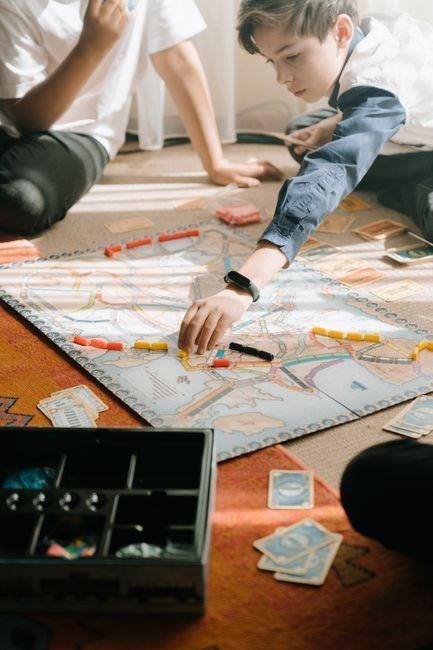
Remember, the PDF also highlights that the game is designed for quick sessions, so don’t linger on complex strategies that could delay play. Keep the pace brisk and enjoy the spontaneous nature of the game.




Overview of William H. Pryor Jr. William H. Pryor Jr.‚ a leading scholar in international law‚ earned his J.D. from Yale and Ph.D. from Harvard. He teaches . . .

Lost in captivating worlds? Get instant access to the full ‘I Am Luna’ novel as a free PDF! Download now and lose yourself in this thrilling read. Start your adventure today!