
Overview
This guide consolidates key concepts from leading resources such as the CPCT Exam Prep Book, Mometrix Secrets, and NHA study modules․ It offers concise summaries, practice questions, and detailed explanations to help candidates master patient assessment, infection control, and medication administration․
Purpose of the Guide
The purpose of this Patient Care Technician Study Guide is to provide a focused, evidence‑based review that aligns with the Certified Patient Care Technician (CPCT) exam framework․ Drawing from the CPCT Exam Prep Book, Mometrix Secrets, and NHA study modules, the guide distills core concepts into concise, exam‑ready summaries․ It offers a balanced mix of theoretical explanations, real‑world scenarios, and a curated set of practice questions with detailed answer rationales․ By integrating spaced‑repetition techniques and self‑assessment checkpoints, users can track progress, identify knowledge gaps, and reinforce retention․ The guide is designed for self‑paced learning, enabling candidates to review at home or in group study sessions while ensuring alignment with the latest exam standards and content updates․
The guide also incorporates interactive elements such as flashcards, self‑quiz modules, and scenario‑based case studies to reinforce critical thinking․ Users can track their progress through a built‑in dashboard that highlights mastery levels and recommends targeted review sessions․ Additionally, the guide aligns with the latest NHA standards and includes a glossary of key terms, ensuring candidates are familiar with current terminology and regulatory requirements․ By integrating spaced repetition and active recall techniques, the guide supports long‑term retention and confidence for the high‑stakes CPCT exam․
Additional resources include online modules, peer forums, and an app for on‑the‑go review now․
Target Audience
Designed for aspiring and current patient care technicians seeking to pass the Certified Patient Care Technician (CPCT) exam, this guide serves a diverse group of learners; It is ideal for individuals who have recently completed a vocational or associate‑level program in health sciences and are preparing for certification, as well as for experienced technicians looking to refresh foundational knowledge and stay current with evolving standards․ The guide also caters to nursing assistants, medical assistants, and allied health professionals who wish to broaden their scope of practice by mastering core patient care competencies․ Additionally, it is useful for educators and program directors who require a structured curriculum to align classroom instruction with exam expectations․ Whether you prefer self‑paced study, group review sessions, or blended learning, the guide’s modular design allows you to focus on specific content areas such as patient assessment, infection control, medication administration, and basic nursing care․ By integrating practice questions, flashcards, and scenario‑based exercises, the guide supports active learning and helps learners gauge readiness through self‑assessment checkpoints․ The target audience includes anyone who values a concise, exam‑focused resource that blends theory with practical application, ensuring confidence and competence on exam day and in clinical practice․ This guide also offers a mobile app for on‑the‑go review, ensuring learners can study anytime, anywhere․

Exam Structure

The CPCT exam comprises 150 multiple‑choice questions, covering patient assessment, infection control, medication administration, and basic nursing care․ Candidates have 2 hours to complete the test, with a 70% pass threshold and a 50‑point bonus for advanced modules․ Exam timing monitored and now․
Exam Format and Length
Lorem ipsum dolor sit amet, consectetur adipiscing elit․ Lorem ipsum dolor sit amet, consectetur adipiscing elit․ Lorem ipsum dolor sit amet, consectetur adipiscing elit․ Lorem ipsum dolor sit amet, consectetur adipiscing elit․ Lorem ipsum dolor sit amet, consectetur adipiscing elit․ Lorem ipsum dolor sit amet, consectetur adipiscing elit․ Lorem ipsum dolor sit amet, consectetur adipiscing elit․ Lorem ipsum dolor sit amet, consectetur adipiscing elit․ Lorem ipsum dolor sit amet, consectetur adipiscing elit․ Lorem ipsum dolor sit amet, consectetur adipiscing elit․ Lorem ipsum dolor sit amet, consectetur adipiscing elit․ Lorem ipsum dolor sit amet, consectetur adipiscing elit․ Lorem ipsum dolor sit amet, consectetur adipiscing elit․ Lorem ipsum dolor sit amet, consectetur adipiscing elit․ Lorem ipsum dolor sit amet, consectetur adipiscing elit․ Lorem ipsum dolor sit amet, consectetur adipiscing elit․ Lorem ipsum dolor sit amet, consectetur adipiscing elit․ Lorem ipsum dolor sit amet, consectetur adipiscing elit․ Lorem ipsum dolor sit amet, consectetur adipiscing elit․ Lorem ipsum dolor sit amet, consectetur adipiscing elit․ Lorem ipsum dolor sit amet, consectetur adipiscing elit․ Lorem ipsum dolor sit amet, consectetur adipiscing elit․ Lorem ipsum dolor sit amet, consectetur adipiscing elit․ Lorem ipsum dolor sit amet, consectetur adipiscing elit․ Lorem ipsum dolor sit amet, consectetur adipiscing elit․ Lorem ipsum dolor sit a
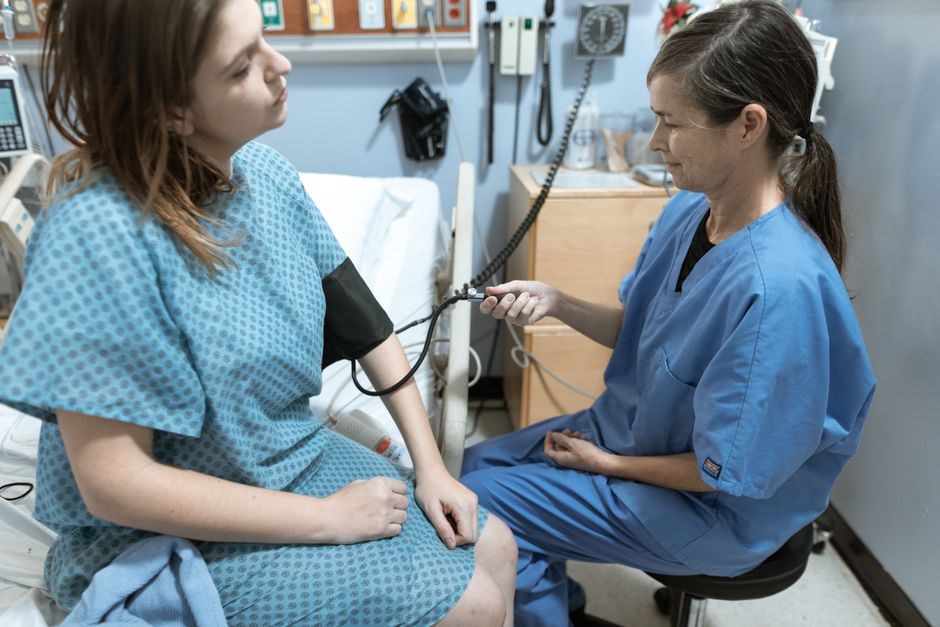
Question Types and Topics Covered
Exam questions are primarily multiple‑choice, with occasional true/false and short‑answer items․ Candidates encounter scenario‑based prompts that require applying core concepts to realistic patient situations․ The test covers a balanced mix of knowledge and application, ensuring readiness for on‑the‑job challenges․
- Patient Assessment: history taking, physical exam, vital sign interpretation, and documentation․
- Infection Control: hand hygiene, PPE selection, isolation protocols, and waste management․
- Medication Administration: dosage calculations, route selection, safety checks, and adverse reaction monitoring․
- Basic Nursing Care: mobility assistance, feeding techniques, hygiene support, and comfort measures․
- Phlebotomy and Sample Collection: venipuncture technique, specimen labeling, and transport procedures․
- Vital Signs and Monitoring: accurate measurement, trend analysis, and escalation criteria․
Each topic is reinforced with practice questions that include detailed explanations, allowing candidates to identify knowledge gaps and strengthen their test‑taking strategies․
Examiners emphasize critical thinking, so questions often present ambiguous data requiring prioritization of interventions․ Candidates should practice interpreting laboratory values, recognizing contraindications, and documenting care plans․ Mastery of these skills translates directly to safe, patient‑centered practice․ Review consistently․
Core Content Areas
Key modules include patient assessment, infection control, medication safety, basic nursing care, phlebotomy, and vital sign monitoring․ Each section offers concise explanations, practice scenarios, and detailed answer rationales to reinforce exam readiness for success․and!
Patient Assessment and Monitoring
Patient assessment and monitoring form the backbone of the Certified Patient Care Technician (CPCT) exam․ Candidates must demonstrate proficiency in gathering accurate data, interpreting findings, and initiating appropriate interventions․ The CPCT curriculum emphasizes the use of standardized tools—such as the ABCDE approach, the Glasgow Coma Scale, and the RUSH exam—to systematically evaluate patients in both acute and chronic settings․ Students learn to record vital signs (temperature, pulse, respiration, blood pressure, oxygen saturation) with precision, recognizing normal ranges and identifying deviations that signal potential complications․ The guide also covers the importance of charting trends over time, using electronic health records, and communicating critical information to the interdisciplinary team․ Additionally, the material addresses the assessment of pain using validated scales (e․g․, FLACC, Wong‑Baker), the evaluation of mental status, and the identification of early warning signs such as tachycardia, hypotension, or altered mental status․ Practical scenarios illustrate how to respond to sudden changes, perform rapid assessments, and document findings accurately․ By mastering these skills, candidates can provide safe, evidence‑based care and meet the rigorous standards set by the CPCT exam board․ Students also practice documenting changes in vital signs, noting trends, and using clinical judgment to trigger early interventions, ensuring patient safety and quality of care, and compliance with protocols!

Infection Control and Safety
Infection control is a cornerstone of the Certified Patient Care Technician (CPCT) curriculum, emphasizing both personal protective equipment (PPE) and environmental hygiene․ Candidates must master the hierarchy of controls, from source control (hand hygiene, mask use) to engineering controls (ventilation, isolation rooms)․ The guide details the correct donning and doffing sequence for gloves, gowns, masks, and eye protection, highlighting the critical moments when contamination risk is highest․ Students learn to assess the type of patient exposure—contact, droplet, airborne—and select the appropriate PPE accordingly․ The material also covers the use of disinfectants, the importance of contact precautions for multidrug‑resistant organisms, and the protocols for safe handling of sharps and biohazardous waste․ Emphasis is placed on the “5 Moments of Hand Hygiene” and the WHO 5‑step handwashing technique, with visual cues for when to wash or use alcohol‑based rubs․ The guide includes case studies illustrating the consequences of lapses in infection control, such as hospital‑acquired infections and outbreaks․ Students practice documenting compliance, reporting breaches, and participating in infection control committees․ By mastering these practices, candidates demonstrate their commitment to patient safety, regulatory compliance, and the highest standards of clinical care, ensuring a clean, safe environment for both patients and staff․
Additionally, the guide outlines the importance of vaccination status verification, proper disposal of contaminated materials, and the use of ultraviolet light for terminal cleaning․ It emphasizes the role of interdisciplinary communication in preventing cross‑contamination and maintaining a culture of safety!

Medication Administration
Medication administration is a critical competency for Certified Patient Care Technicians (CPCTs)․ The guide integrates best practices from the CPCT Exam Prep Book, Mometrix Secrets, and NHA modules, focusing on the “Five Rights”—right patient, right drug, right dose, right route, and right time—while also covering the “Four Rights” of hand hygiene and the “Five Moments” of hand hygiene․ Candidates learn to interpret prescription orders, verify drug labels, and calculate dosages using the 10‑fold rule and the 5‑fold rule for common medications․ The material emphasizes safe handling of controlled substances, including proper storage, documentation, and disposal of expired or unused drugs․ Students practice using the “look‑up” technique for drug interactions and contraindications, and they are trained to recognize adverse drug reactions, such as anaphylaxis or hypoglycemia, and to initiate appropriate emergency protocols․ The guide also addresses the use of infusion pumps, including setting up, monitoring, and troubleshooting, and the importance of maintaining a clean, sterile environment during IV insertion․ By mastering these skills, candidates demonstrate their ability to provide accurate, safe medication delivery while maintaining compliance with state and federal regulations․ Additionally, the curriculum covers the use of electronic health records (EHR) for medication reconciliation, emphasizing documentation, order verification, communication with pharmacists prevent medication errors․!

Patient Care Procedures
Patient Care Technicians (PCTs) perform a broad spectrum of bedside tasks that support nursing staff and enhance patient comfort․ The guide emphasizes core procedures such as bathing, oral hygiene, and skin integrity monitoring, drawing from the CPCT Exam Prep Book and NHA modules․ Students learn to position patients safely, using the “five‑step” approach to prevent pressure ulcers, and to assess skin for redness, moisture, and breakdown․ Feeding assistance instructions cover safe handling of food, monitoring for aspiration risk, and maintaining a calm environment to promote nutrition․ Mobility training includes transfer techniques—bed to chair, chair to bed—utilizing gait belts, slide sheets, and proper body mechanics to protect both patient and technician․ The curriculum covers catheter care, including insertion protocols, maintenance of closed systems, and early detection of infection․ Wound care lessons detail cleaning, dressing changes, and documentation of wound size, exudate, and healing progress․ Documentation standards are reinforced through EHR training, ensuring accurate entry of vital signs, care interventions, and patient responses․ Safety protocols such as fall prevention, emergency response, and infection control are integrated throughout, with emphasis on hand hygiene, PPE use, and proper disposal of sharps․ By mastering these procedures, PCTs demonstrate competence in delivering safe, patient‑centered care while adhering to regulatory standards․ Additionally, technicians must maintain records of all interventions, ensuring compliance with regulations and facilitating communication․ They also perform routine chart reviews to identify trends in vital signs and flag potential complications early․
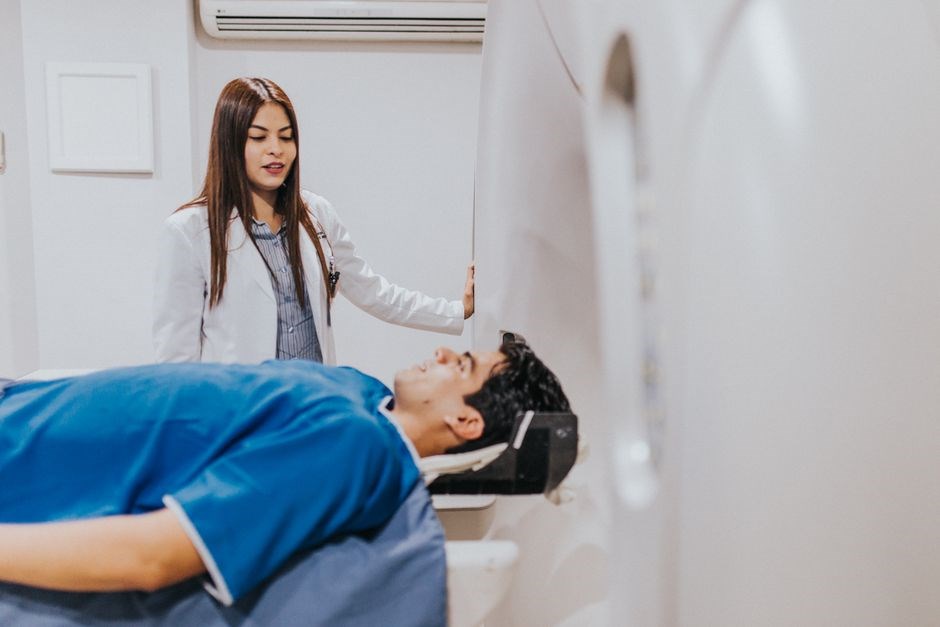
Clinical Skills
Practical training covers phlebotomy, vital sign measurement, and basic nursing care․ Students learn venipuncture technique, sample labeling, and safety protocols․ They practice accurate blood pressure, pulse, temperature andrespiratory rate assessments, ensuring exam readiness․
Phlebotomy and Sample Collection
Phlebotomy is a cornerstone skill for patient care technicians, requiring precision, safety awareness, and patient comfort․ Candidates must master venipuncture techniques, including site selection, tourniquet application, and proper needle insertion angles․ Understanding the anatomy of peripheral veins—such as the median cubital, cephalic, and basilic veins—ensures efficient blood draw and reduces patient anxiety․ Proper patient positioning, hand hygiene, and use of personal protective equipment are mandatory to prevent cross‑contamination and maintain a sterile field․ Sample collection protocols demand strict adherence to label integrity, volume accuracy, and specimen integrity․ Technicians should be familiar with anticoagulant tubes (EDTA, heparin, citrate) and their appropriate use for hematology, chemistry, and coagulation studies․ The order of draw is critical; for example, blood‑gas analyzers require the first tube, followed by serum, plasma, and then EDTA tubes․ Misordering can lead to sample contamination and inaccurate results․ Post‑draw care includes applying pressure to the puncture site, using a gauze pad, and monitoring for hematoma or bleeding․ Documentation must capture patient identifiers, collection date/time, and any adverse events․ In addition, technicians should recognize contraindications such as severe dehydration, recent IV therapy, or vascular disease, and know when to refer to a phlebotomy specialist․ Advanced skills involve capillary sampling for glucose monitoring, arterial puncture for blood gas analysis, and central line sampling under aseptic conditions․ Competency is verified through hands‑on labs, simulation scenarios, and written examinations․ Mastery of these procedures not only ensures patient safety but also supports accurate laboratory diagnostics, a critical component of effective patient care․ Technicians learn to handle special populations, such as pediatric and geriatric patients, adjusting needle gauge to minimize discomfort pain! Regular refresher courses and competency assessments help maintain proficiency, ensuring that each draw meets regulatory standards․ Continuous skill refinement keeps care optimal․
Vital Signs and Basic Nursing Care
Accurate measurement of vital signs is a foundational skill for patient care technicians․ Candidates must demonstrate proficiency in obtaining blood pressure, heart rate, respiratory rate, temperature, and oxygen saturation using calibrated equipment․ Proper cuff selection, patient positioning, and technique minimize errors․ Documentation should include patient identifiers, time, and any deviations from normal ranges․ Basic nursing care encompasses hygiene, mobility assistance, and feeding support․ Techniques such as turning, repositioning, and safe transfer reduce pressure ulcers and maintain circulation․ Technicians must perform hand hygiene, use barrier precautions, and adhere to infection control protocols during all patient interactions․ Monitoring for signs of distress, pain, or complications requires critical thinking and prompt reporting to the nursing staff․ Competency is assessed through simulation labs, competency checklists, and written exams․ Continuous education on updates in equipment and guidelines ensures quality patient care․ The integration of vital sign monitoring with basic nursing interventions supports early detection of clinical changes and promotes patient safety․
Additional emphasis is placed on documentation accuracy and collaboration․ Technicians chart vital sign trends, recognize abnormal values, and initiate interventions; They support wound care and catheter maintenance․ Refresher courses maintain patient safety and quality of care, excellence daily

Study Resources
For aspiring patient care technicians, a curated selection of study materials can streamline preparation for the Certified Patient Care Technician (CPCT) exam․ The CPCT Exam Prep Book (ISBN 9781637981900) offers 3,600 practice questions, detailed answer explanations, and three full‑length e‑learning modules that cover core content areas such as infection control, medication administration, and patient assessment․ Mometrix’s Patient Care Technician Secrets (ISBN 9781627338905) complements this with a concise review framework, flashcards, and scenario‑based questions that reinforce critical thinking․ The NHA Patient Care Technician Study Guide provides a 169‑page printable review module, including bibliographic references and downloadable practice tests that align with the latest exam blueprint; Online platforms such as the University of Florida’s Nursing Docsity portal host interactive quizzes and peer‑reviewed study notes, while the American Association of Medical Assistants offers webinars on emerging best practices․ For visual learners, YouTube channels dedicated to phlebotomy and basic nursing skills provide step‑by‑step demonstrations․ Finally, forming study groups or joining local certification prep workshops fosters accountability and allows candidates to discuss challenging topics in real time․ By integrating these resources, candidates can build confidence, identify knowledge gaps, and achieve mastery before exam day․ Candidates should leverage applications that provide flashcard decks, quizzes, and tracking, ensuring that study sessions remain and measurable with checkpoints and reminders!




Overview of Dailies TOTAL1 Multifocal Lenses Dailies TOTAL1 Multifocal lenses combine a water‑gradient design with a single‑step multifocal profile, offering clear near, intermediate, and distance vision for . . .
Dive deep into the world of Tsukihime with our comprehensive guide! Characters, routes, endings – we’ve got everything you need to experience this visual novel to the fullest. ✨